

You’ve made your decision: it’s time for a new website. Feeling excited, or still a bit uncertain? Luckily there are tried and true steps you can follow to build a professional website. You can carry out each of these steps yourself, or you can get help from a professional.
1. Think about your goals
Does your website serve as a selling platform? A portfolio? Your calling card? An information resource? Or all of the above?
Make a list of the things you want the website to do. Once you’re done, sort these goals from most to least important. This will tell you what to focus on.
2. Make a framework
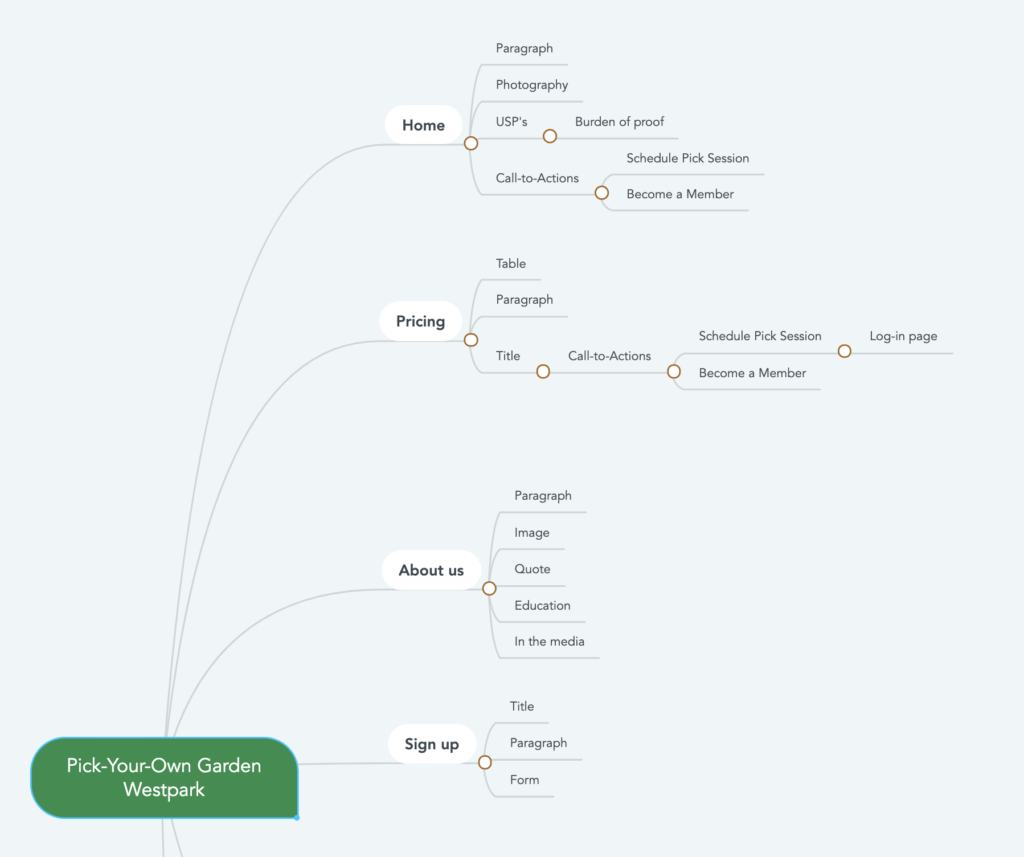
Next, visualize the structure of your new website by making a mind map. A mind map offers a useful bird’s eye view of the project. Mind mapping lets you map out the different sections and pages you want to include and the types of content you will need. If you’re working as part of a team, different people can easily contribute their ideas.
3. Develop a style guide
Your style should fit you and speak to the people you are trying to reach. That’s not only true for personal style, but for organizations as well.
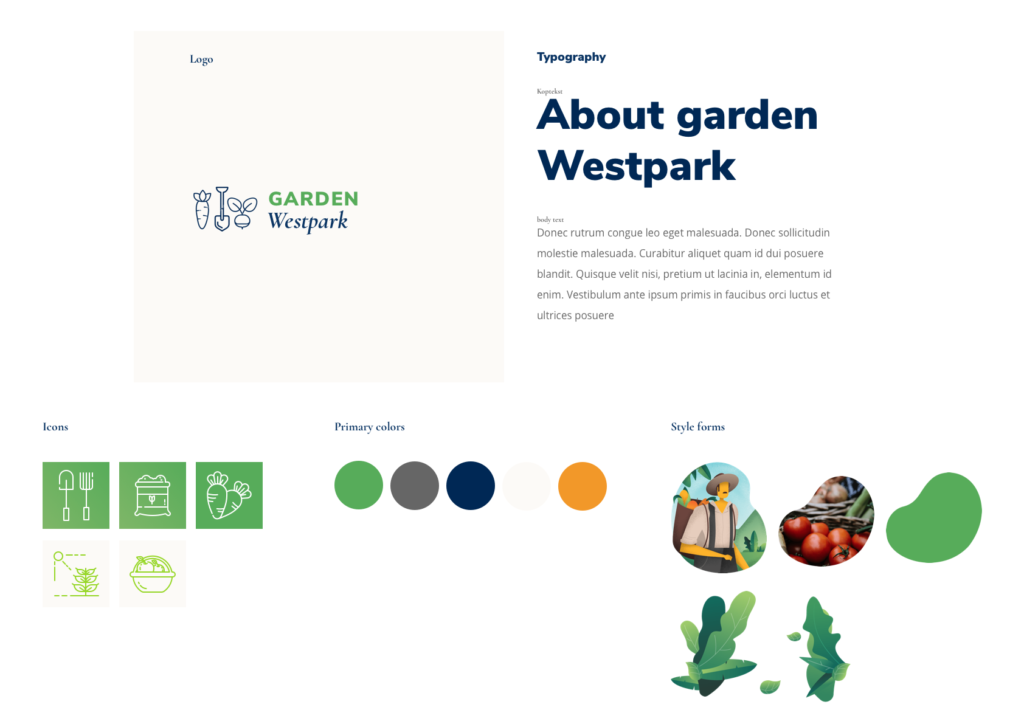
An organization’s visual identity is usually documented in a style guide. This style guide is used as a basis for all communications.
Keeping communications visually consistent increases recognition, and recognition plays a big part in establishing trust.
A basic style guide outlines the logo, main colours, and fonts that make up your visual identity.
4. Pick a web developer – or do it yourself
Developing a website by yourself can be a fun challenge. If you’ve never done it before you can expect to learn many useful new skills. Keep in mind, however, that building a website is always a time-consuming process. It may be difficult to find time while you’re busy getting your business off the ground.
If you decide to have someone build your website for you, a good relationship with your web developer is essential. After all, your website will serve you for some 3 to 6 years, and moving it over to a new web developer can be complicated.
When choosing a web developer, it’s wise to consult online reviews and ask others about their experiences. This way you can make an informed decision for the long term.
5. Find a web hosting service
Your website will need to be hosted on a server. These days most web hosting providers provide decent service. It’s a good idea, however, to read reviews and ask others about their experience.
Web developers tend to work with certain hosting providers they like.
Servers use a lot of electricity. If you want your website to run on renewable energy, consider a a green web hosting service [link].
6. Fill your website – home page last
You’re almost there. Your website is done on the technical end, and you can begin adding real content.
You probably can’t wait to get to work on your home page. After all, that’s your shop window – you want it to look perfect. However, doing the home page first is rarely a good idea.
Start with the contact page, about-us page, and pages about your products or services instead. Once you have these, your home page will write itself. If you do it the other way around, you’re likely to get stuck.
For more tips, have a look at our article on the 3 things every home page needs to do.
7. Go live with a bang!
A new website is a milestone that deserves to be celebrated. Throw a party, or mark the occasion in some other way. Treat yourself and show the world what you have achieved!
Need help with your website?
Any questions, or in need of advice? Get in touch with us. We’d love to help.